The world is experiencing an unprecedented acceleration in digital transformation, and the logistics sector has been at the forefront of this shift due to its direct reliance on movement, timing, and precision. At the heart of this transformation lies vehicle tracking technology, one of the most powerful smart solutions reshaping fleet management and supply chain operations, improving operational efficiency, reducing costs, and enhancing customer satisfaction.
In this article, we provide a comprehensive overview of vehicle tracking, its importance in the logistics sector, the technologies behind it, its strategic benefits, associated challenges, and future trends—making it a complete guide for a vehicle tracking website or industry-focused blog.
What Is Vehicle Tracking?
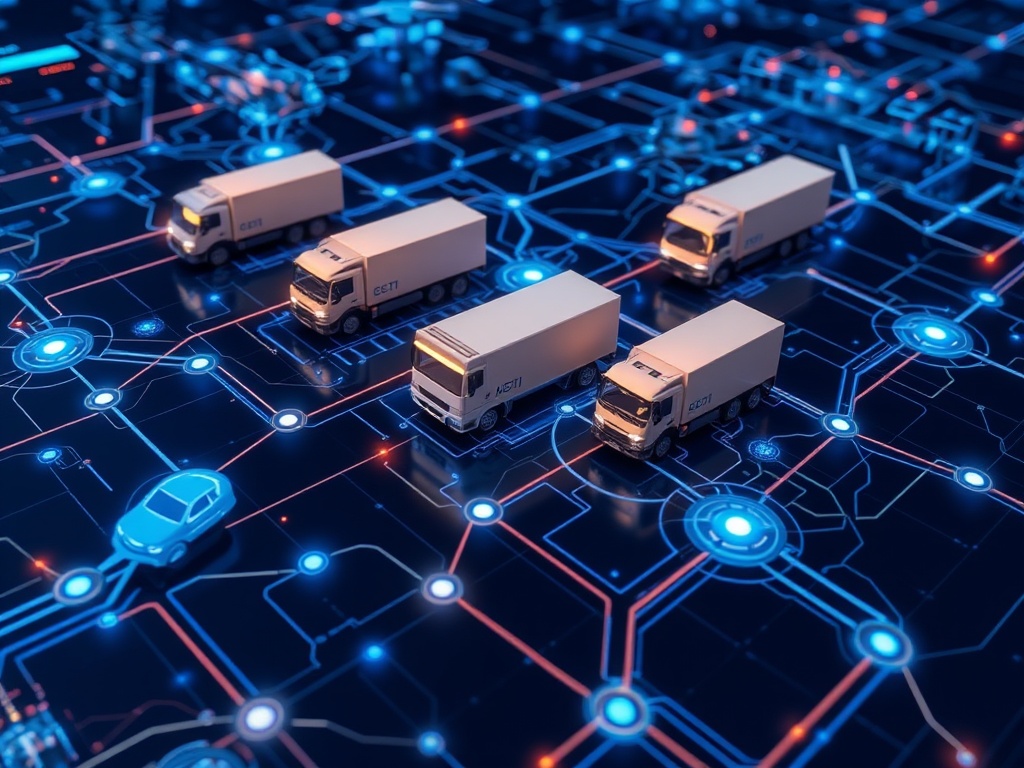
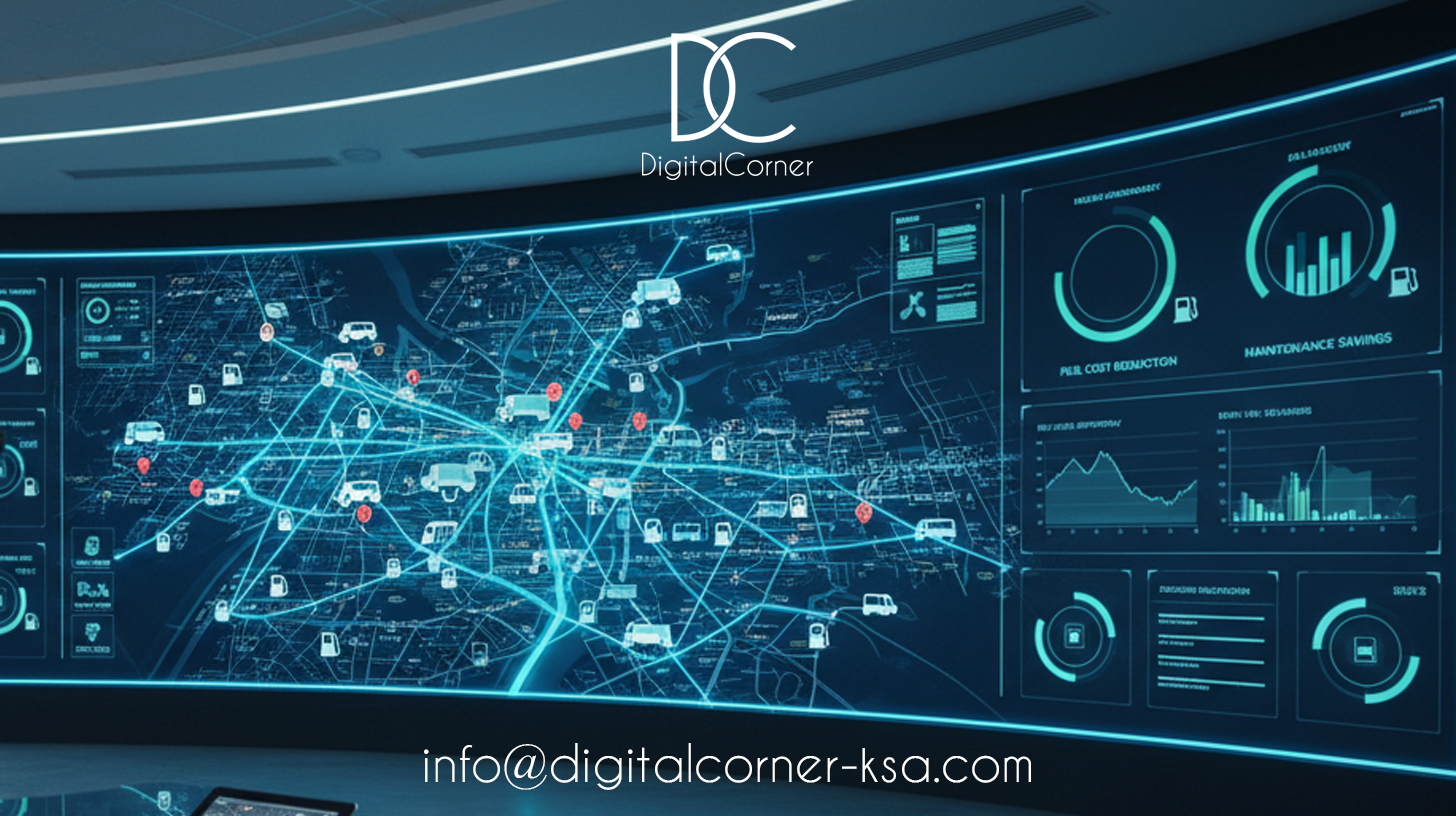
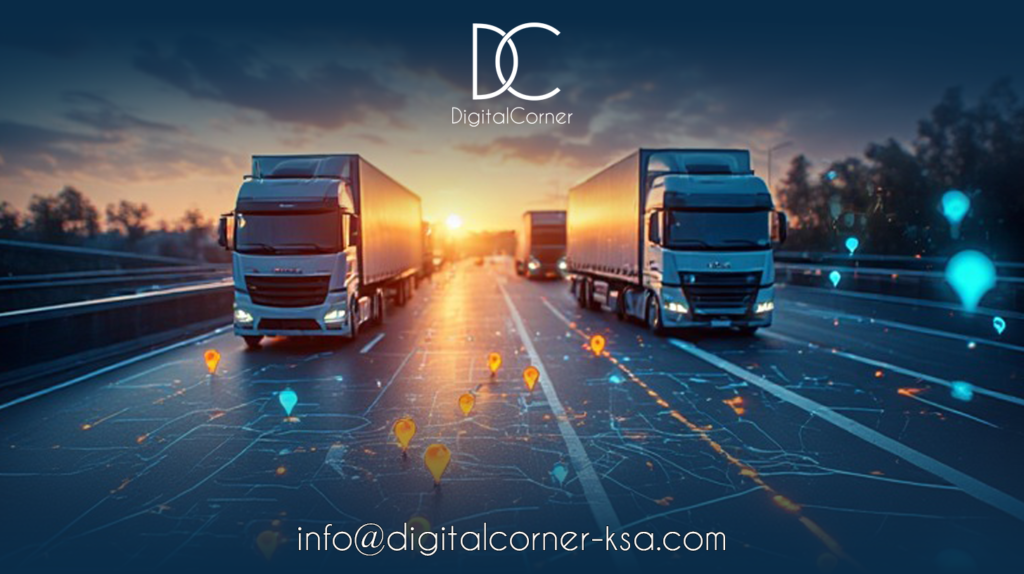
Vehicle tracking is a system that relies on satellite positioning technology and cellular or internet connectivity to monitor vehicle movements in real time. It enables fleet managers to know the exact location of every vehicle, along with its speed, route history, and operational status. Modern systems can also provide additional data such as fuel consumption, driver behavior, and engine diagnostics.
Most contemporary tracking systems rely on satellite navigation networks such as the Global Positioning System (GPS), which allows highly accurate positioning almost anywhere on Earth.
The Importance of Vehicle Tracking in the Logistics Sector
The logistics industry is the backbone of modern commerce—covering shipping, distribution, e-commerce, and freight transportation. As order volumes increase and customers expect faster, more precise deliveries, smart management systems have become essential.
1. Improved Fleet Management
Vehicle tracking systems allow companies to:
- Assign tasks more efficiently
- Reduce unnecessary mileage
- Optimize route planning
2. Reduced Operational Costs
By monitoring fuel consumption and driver behavior—such as speeding or excessive idling—companies can significantly cut operational expenses.
3. Enhanced Safety and Security
Tracking systems provide protection against theft by enabling quick vehicle recovery. They also reduce accidents through driver performance analysis and safety monitoring.
4. Increased Customer Satisfaction
Providing accurate estimated arrival times has become a standard expectation in e-commerce and delivery services. Real-time tracking enhances transparency and builds trust.
Technologies Behind Modern Tracking Systems
Vehicle tracking technology has evolved considerably in recent years and now integrates multiple advanced solutions:
1. GPS Satellite Systems
Used to determine vehicle location with high precision.
2. Cellular Communication Networks
Enable data transmission from tracking devices to centralized management platforms.
3. Internet of Things (IoT)
Connected sensors collect additional data such as temperature (crucial for transporting food and pharmaceuticals), fuel levels, and engine health.
4. Cloud Computing
Allows the storage and analysis of large volumes of data, accessible anytime and from anywhere.
The Role of Vehicle Tracking in Supply Chain Optimization
The supply chain encompasses all stages from supplier to end customer. Any disruption along this chain can lead to financial losses and damaged customer trust.
Vehicle tracking systems contribute by:
- Improving visibility across transportation stages
- Minimizing delays through dynamic rerouting
- Enhancing inventory management with accurate arrival forecasts
- Reducing losses caused by theft or spoilage
Global logistics companies such as DHL and FedEx rely heavily on advanced tracking technologies to manage millions of shipments daily.
Strategic Benefits of Vehicle Tracking Systems
1. Data-Driven Decision Making
Tracking platforms generate detailed analytical reports, enabling management to make strategic decisions based on accurate operational data.
2. Regulatory Compliance
In many countries, transportation companies are required to install tracking systems to ensure compliance with speed regulations and driver working-hour policies.
3. Increased Productivity
Optimized route planning and reduced downtime result in more efficient resource utilization.
4. Environmental Sustainability
Reducing unnecessary fuel consumption lowers carbon emissions, supporting greener and more sustainable operations.
Challenges of Implementing Vehicle Tracking Systems
Despite their advantages, some challenges may arise:
- Initial installation costs
- Resistance from drivers concerned about continuous monitoring
- Staff training requirements
- Data privacy and cybersecurity concerns
However, with technological advancements and decreasing hardware costs, these barriers have become more manageable than ever.
The Future of Vehicle Tracking in Logistics
The future promises even more intelligent and integrated solutions, including:
1. Artificial Intelligence (AI)
AI will enhance predictive maintenance, detect anomalies, and automatically optimize routes using big data analytics.
2. Autonomous Vehicles
As self-driving technology advances, integration between tracking systems and autonomous fleets will become essential.
3. Integration with Enterprise Systems
Tracking platforms will increasingly connect with billing systems, CRM platforms, and inventory management tools.
4. Real-Time Customer Tracking
End customers now expect to track shipments via mobile applications—making this feature a competitive necessity.
Why Companies Must Invest in Vehicle Tracking
In today’s highly competitive transportation and logistics market, companies relying on traditional methods struggle to keep up. Investing in vehicle tracking systems is no longer a technological luxury—it is a strategic necessity.
Such investment ensures:
- Reduced financial waste
- Improved service quality
- Higher customer satisfaction
- Stronger brand reputation
In a world driven by speed and accuracy, access to real-time information provides a true competitive advantage.
Conclusion
Vehicle tracking has evolved from a supplementary tool into a central pillar of success and sustainability in the logistics industry. By integrating GPS, IoT, cloud computing, and intelligent analytics, companies can achieve higher levels of efficiency, transparency, and security.
As digital transformation continues, innovation in this field will accelerate, creating vast opportunities for businesses aiming to excel in fleet management and logistics services.
The future belongs to smart systems—and vehicle tracking stands as one of their most essential foundations.