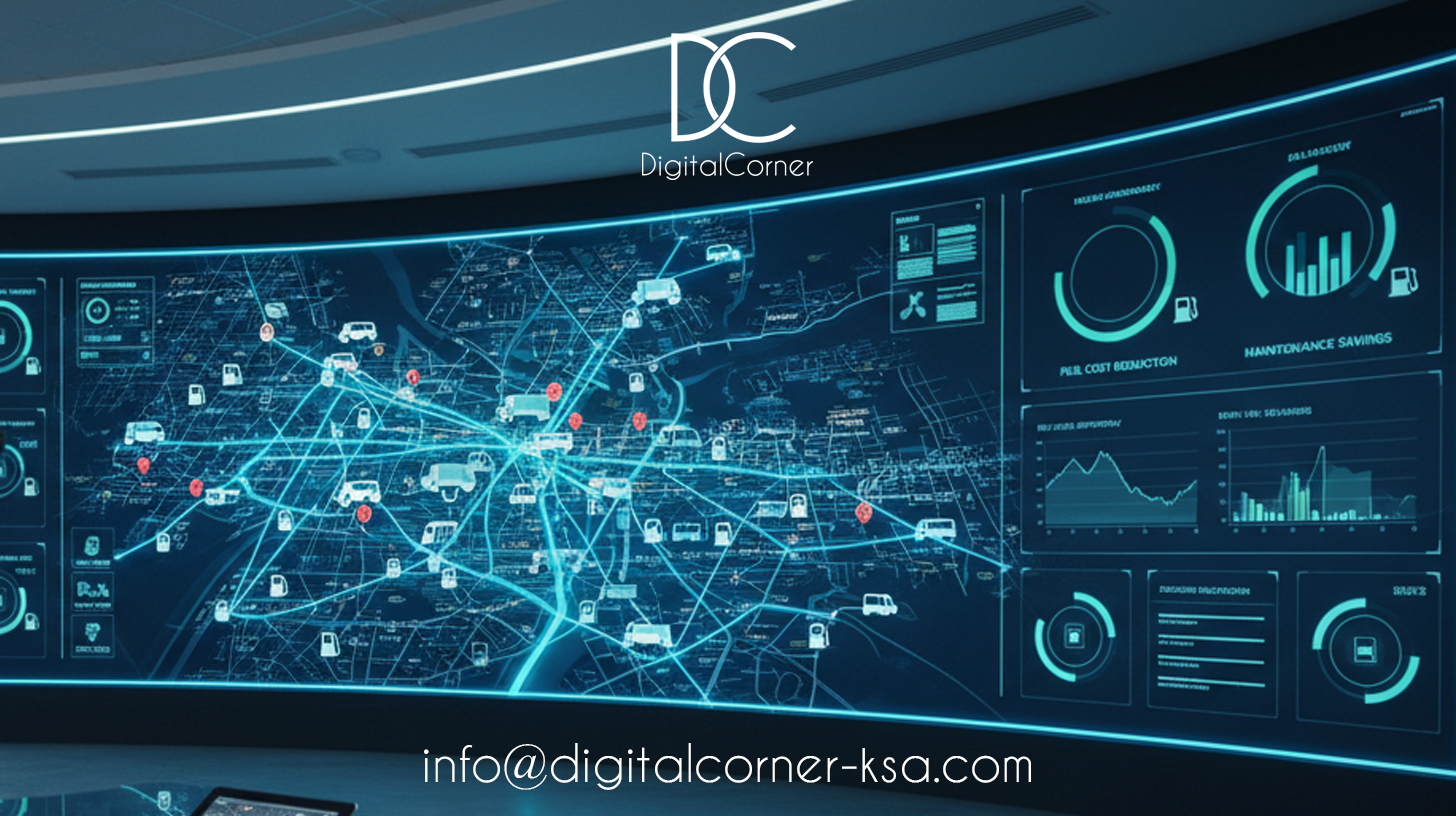
Fleet management has undergone a significant transformation in recent years thanks to the growing adoption of artificial intelligence (AI). Today, companies are able to manage their vehicles with greater accuracy, efficiency, and strategic insight. Fleet tracking is no longer limited to simply identifying a vehicle’s location. Modern AI-powered systems can analyze large volumes of operational data and generate intelligent recommendations that help fleet managers make better decisions, reduce operational costs, and increase overall productivity.
One of the most important applications of AI in fleet tracking is driver behavior analysis. By collecting data on factors such as speed, acceleration, harsh braking, idle time, and driving patterns, advanced systems can identify inefficient or risky behaviors that increase fuel consumption or accelerate vehicle wear and tear. These insights are transformed into clear and actionable reports that allow companies to provide targeted training for drivers and improve driving standards across the fleet. In addition, AI systems can automatically alert managers when unsafe driving behaviors occur, contributing to improved safety and a reduction in accident risks.
Artificial intelligence also plays a critical role in predictive maintenance. Traditionally, fleet maintenance has been reactive—vehicles are repaired only after a failure occurs. AI changes this model by continuously monitoring vehicle performance indicators such as engine performance, temperature levels, usage patterns, and operating hours. By analyzing these signals, AI systems can detect early warning signs of potential mechanical issues before they develop into serious breakdowns. Predictive maintenance helps organizations reduce repair costs, minimize vehicle downtime, and maintain operational continuity. Furthermore, AI can recommend optimized maintenance schedules based on real vehicle usage rather than fixed service intervals, ultimately extending the lifespan of fleet assets.
Another key advantage of AI-driven fleet tracking systems is route optimization. Artificial intelligence can evaluate multiple variables such as traffic congestion, road conditions, delivery locations, and travel distances to determine the most efficient routes. By selecting optimal routes in real time, companies can significantly reduce travel time, fuel consumption, and operational expenses. AI systems can also dynamically adjust routes if unexpected situations arise, such as accidents, road closures, or traffic disruptions. This level of flexibility ensures that deliveries remain on schedule and helps organizations maintain high service reliability.
Beyond daily operations, AI also supports strategic decision-making through long-term data analysis. Fleet management platforms collect vast amounts of data over time, allowing organizations to identify trends and uncover opportunities for improvement. For example, companies can determine which vehicles consume the most fuel, which routes consistently cause delays, or which operational practices result in higher costs. These insights enable management teams to make informed decisions such as replacing inefficient vehicles, optimizing route planning, or redistributing workloads across the fleet.
Fuel management is another area where artificial intelligence delivers substantial value. Fuel expenses often represent one of the largest operational costs for transportation and logistics companies. AI-powered systems analyze fuel consumption patterns and correlate them with driving behavior, vehicle performance, load weight, and route conditions. Through this analysis, businesses can identify fuel-wasting activities such as excessive idling, aggressive driving, or inefficient route selection. By addressing these issues, companies can implement smarter policies that significantly reduce fuel consumption and improve cost efficiency.
AI-enabled fleet tracking systems also enhance security and asset protection. When integrated with GPS tracking technology and onboard sensors, AI platforms provide real-time monitoring of vehicle location and operational status. If unusual activity occurs—such as a vehicle leaving its designated route, operating outside authorized hours, or experiencing unexpected stops—the system can immediately send alerts to fleet managers. This proactive monitoring helps reduce risks related to theft, unauthorized use, or operational irregularities, ensuring better control over valuable fleet assets.
Another important benefit is the improvement of customer experience. With accurate real-time data on vehicle locations and estimated arrival times, companies can provide customers with precise delivery updates and reliable service expectations. AI systems can also analyze order data and predict peak demand periods, allowing businesses to allocate vehicles more efficiently. As a result, companies can reduce delays, improve delivery performance, and enhance overall customer satisfaction.
The integration of artificial intelligence with Internet of Things (IoT) technologies has further expanded the capabilities of modern fleet management systems. Connected vehicles equipped with sensors continuously generate operational data, which AI platforms analyze instantly to provide actionable insights. This powerful combination allows companies to monitor nearly every aspect of fleet performance—from fuel usage and driver efficiency to vehicle health and operational productivity.
Looking ahead, the role of artificial intelligence in fleet tracking is expected to grow even further as connected vehicles and autonomous technologies continue to evolve. Future AI-driven systems may be capable of making automated operational decisions, such as dynamically reallocating vehicles, adjusting delivery schedules, or optimizing logistics networks based on real-time conditions. These advancements will allow organizations to achieve even greater efficiency, lower operational costs, and maintain a strong competitive advantage in the transportation and logistics industry.
In conclusion, artificial intelligence has fundamentally redefined the concept of fleet tracking. The focus has shifted from simple location monitoring to advanced data analysis and intelligent decision-making. By leveraging AI-powered insights, companies can enhance operational performance, reduce costs, improve safety, and deliver better service to their customers. As digital technologies continue to advance, AI-driven fleet management will increasingly become a standard requirement for organizations aiming to operate more efficiently and remain competitive in modern logistics and transportation markets.