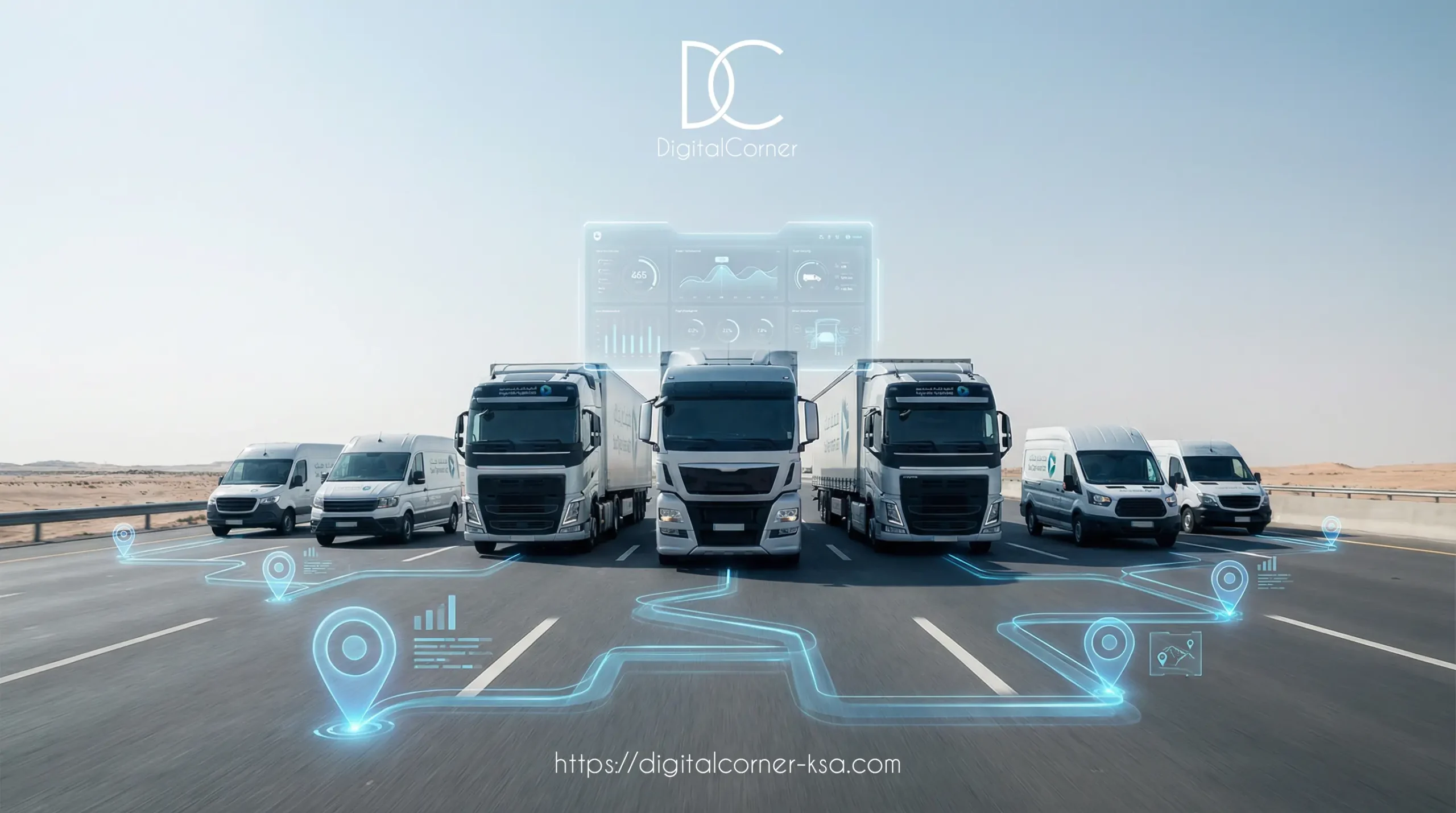
In today’s competitive business environment, fleet management plays a critical role in operational efficiency and profitability. Whether in transportation, logistics, construction, field services, or any company operating service vehicles, managing fleet-related expenses can significantly impact the bottom line.
Vehicle tracking systems are no longer limited to showing a vehicle’s location on a map. They have evolved into comprehensive fleet management platforms that provide real-time data, performance insights, and actionable analytics. When implemented correctly, these systems reduce costs in measurable and sustainable ways.
Below is a practical breakdown of how vehicle tracking systems actually drive cost savings.
Table of Contents
1. Reducing Fuel Consumption
Fuel is typically one of the largest operating expenses for any fleet. Even small efficiency improvements can translate into substantial savings.
Monitoring Driving Behavior
Modern tracking systems monitor key driving behaviors such as:
- Speeding
- Harsh acceleration
- Sudden braking
- Excessive idling
Aggressive driving significantly increases fuel consumption. By tracking and analyzing these behaviors, companies can coach drivers on eco-driving practices. In many cases, fleets reduce fuel consumption by 10–25%, depending on operational conditions.
Reducing Idle Time
Idling wastes fuel without generating productivity. Tracking systems provide detailed reports on engine-on time without movement, allowing management to enforce clear idling policies and eliminate unnecessary fuel waste.
Route Optimization
By analyzing routes and traffic patterns, dispatchers can assign the shortest or fastest routes. This reduces total mileage driven, directly lowering fuel usage.
Result: Immediate and ongoing reductions in fuel expenses.
2. Lowering Maintenance and Repair Costs
Unplanned breakdowns are expensive—not only because of repair costs, but also due to vehicle downtime and operational disruption.
Preventive Maintenance
Tracking systems integrate mileage and engine-hour data to trigger maintenance alerts. This enables:
- Scheduled servicing
- Early detection of mechanical issues
- Prevention of major component failures
Preventive maintenance is consistently more cost-effective than reactive repairs.
Reducing Vehicle Wear and Tear
Harsh driving accelerates wear on:
- Tires
- Brakes
- Suspension systems
- Transmissions
By improving driver behavior, companies extend the lifespan of vehicles and components, reducing replacement frequency and repair expenses.
Preventing Unauthorized Use
Vehicles used outside working hours or for personal purposes increase fuel consumption, mileage, and maintenance costs. Tracking systems eliminate this issue by ensuring vehicles are used strictly for business operations.
3. Decreasing Accident and Insurance Costs
Accidents create multiple financial burdens: repair costs, operational downtime, legal exposure, and increased insurance premiums.
Improving Driver Accountability
When drivers know their performance is being monitored, compliance with traffic regulations improves. This leads to:
- Fewer accidents
- Reduced claims
- Lower risk exposure
Accurate Incident Data
Tracking systems provide detailed data about:
- Vehicle speed at the time of an incident
- Location
- Driving patterns prior to impact
This information can protect companies against false claims and provide objective evidence in legal disputes.
Potential Insurance Discounts
Some insurers offer reduced premiums for fleets equipped with tracking and driver monitoring systems, recognizing the reduced risk profile.
4. Increasing Productivity and Reducing Time Waste
Time inefficiencies directly impact operational costs, especially in service-based industries.
Verifying Working Hours and Activity
Tracking systems provide accurate reports on:
- Start and end times
- Stops and visit durations
- Job completion timelines
This minimizes time theft, unauthorized detours, and unnecessary delays.
Smarter Dispatching
With real-time visibility of all vehicles, dispatchers can assign the nearest vehicle to new tasks. This reduces response times, travel distances, and fuel costs.
Reducing Administrative Work
Automated reporting eliminates manual logbooks and paperwork, reducing administrative labor costs and minimizing human errors.
5. Preventing Theft and Asset Loss
Vehicle and asset theft represents a significant financial risk.
Real-Time Location Tracking
If a vehicle is stolen, real-time tracking increases the likelihood of rapid recovery, minimizing financial loss.
Geofencing and Alerts
Geofencing allows companies to define approved operational zones. Alerts can be triggered when:
- Vehicles operate outside business hours
- Vehicles leave designated areas
These proactive measures significantly reduce theft risk.
6. Supporting Strategic Decision-Making
Vehicle tracking systems do more than monitor—they generate actionable business intelligence.
Fleet Utilization Analysis
Data may reveal that certain vehicles:
- Are underutilized
- Have disproportionately high operating costs
This insight allows companies to:
- Resize their fleet
- Reallocate vehicles
- Eliminate unnecessary assets
Driver Performance Evaluation
Clear performance metrics enable:
- Incentive programs for safe drivers
- Targeted training for improvement
- A culture of accountability and safety
Data-driven management leads to smarter, cost-efficient decisions.
7. Reducing Indirect Costs
Some of the most impactful savings are indirect but highly valuable.
Improving Customer Satisfaction
On-time arrivals and faster response times enhance customer trust and retention. Improved service reliability can lead to:
- Increased contract renewals
- Reduced complaints
- Stronger brand reputation
Reducing Internal Disputes
Objective data eliminates ambiguity regarding routes, working hours, and incidents. Transparency reduces internal conflicts and saves management time.
Practical Example
Consider a company operating 50 vehicles, each spending an average of $600 per month on fuel.
Total monthly fuel cost = $30,000.
If a tracking system reduces fuel consumption by just 15%, the savings equal:
- $4,500 per month
- $54,000 per year
This does not include additional savings from reduced accidents, maintenance optimization, improved productivity, and insurance benefits.
The return on investment (ROI) often becomes visible within months.
Is the Investment Justified?
Some business owners hesitate due to the upfront cost of hardware and subscription fees. However, when comparing system costs against:
- Fuel savings
- Reduced maintenance
- Lower accident-related expenses
- Increased productivity
- Theft prevention
It becomes clear that vehicle tracking systems are not an added expense—they are a cost-control strategy.
Conclusion
Vehicle tracking systems are far more than location tools. They are comprehensive operational management solutions that transform raw data into measurable financial performance.
By:
- Optimizing fuel usage
- Enforcing preventive maintenance
- Improving driver behavior
- Reducing accidents
- Increasing productivity
- Enhancing strategic decision-making
Companies gain full visibility and control over fleet operations.
In a data-driven business landscape, organizations that leverage fleet analytics are better positioned to reduce operational costs, improve efficiency, and achieve long-term sustainability. Vehicle tracking systems are no longer optional—they are a strategic advantage.